Products


Hot Sales & News
Skillet & Frying pan
Dutch Oven & Sauce Pan
Bakeware
Grill Pan & Griddle
Wok&Pot
Camping Cookware
Cookware Set
Kitchen Tools
Wholesale Enameled Cast Iron Dutch Oven | Durable Anti‑Chipping Black Enamel Cast Iron Pot | Cast Iron Cookware Manufacturer
Trending 4-Cavity Enameled Cast Iron Sourdough Bread Baking Pan with Lid
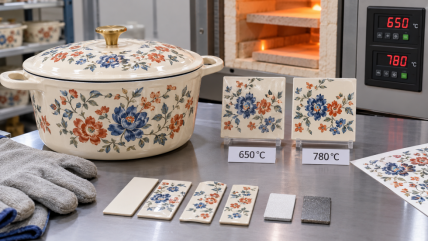
Custom trending vintage floral enameled cast iron dutch oven | OEM ODM Supported
4-Cup Enameled Cast Iron Bread Pan, 2-in-1 Combo Cooker with Lid, Mini Sourdough Bread Baking Dish for Global Buyers
2026 Trending Cast Iron Loaf Pan with Lid, 2.2QT Double Dutch Oven for Sourdough Bread Baking
Vintage Red Floral Enameled Cast Iron Dutch Oven with Lid, Induction Safe Casserole Pot for Braising, Stewing, Sourdough Baking
2026 Trending Cookware Vintage Floral 5QT Enamel Cast Iron Dutch Oven Nonstick Casserole Pot with Lid for Brands & Private Label
Staub Style Wine Red Enameled Cast Iron Dutch Oven, 5QT Dutch Oven, Multi-size Casserole Pot 1 Million Customers Verified
5.5QT Blue Enameled Cast Iron Dutch Oven, Hot-selling Family Casserole Pot with Lid, 1M+ Sold Cookware
Enameled Cast Iron Dutch Oven Braiser, 3.8 Quart Shallow Enamel Skillet Pot with Lid
10 Inch Enameled Cast Iron Skillet with Handles - Ideal for Searing, Roasting, Frying
Shop All
Products
10" Cast Iron Skillet, Smooth Surface, Nonstick-Like Release
Smooth Polished Pre‑Seasoned Cast Iron Skillet with Handle
Multi‑Shape Mini Cast Iron Skillets, Small Cute Nonstick Fry Pans for Holiday Gifts
Premium 11 Inch Enamel Coated Round Cast Iron Fry Pan
2Piece Mini Cast Iron Skillet Small Egg Frying Pan Melting Pot with Double Drip Spout
Cast Iron Frying Pan 10Inch Non-Stick Flat Griddle for Pancakes Crepes with Wooden Handle
10Inch Enameled Cast Iron Skillet, Non Stick Round Fry Pan Induction Compatible
3‑Piece Mini Cast‑Iron Skillet Set – Pre‑Seasoned, Non‑Stick, Wood‑Handled Frying Pans with Removable Handles and double spouts 6inch 8inch 10inch
Factory Direct Sale 10 Inch 26cm Teal Color Enameled Cast Iron Pan Round Skillet For Brands and Retailers
1 Colours
Factory Wholesale 3-Piece Heavy Duty Uncoated Cast Iron Skillet Frying Pan Set Non-stick Original Iron Pan Skillet Cookware Set
Factory Wholesale Heavy Duty 3-Piece Uncoated Non-Stick Cast Iron Skillet Frying Pan Iron Pan Skillet Set
Shop All
Products
OEM Enameled Cast Iron Pumpkin-Shape Dutch Oven, Vegetable-Shape Casserole Pot
Mini Enameled Cast Iron Cocotte, Multi‑Color Small Dutch Oven
Wide-Body Enameled Cast Iron Shallow Casserole Pot for Home & Restaurant Cooking
Wholesale Enameled Cast Iron Dutch Oven | Durable Anti‑Chipping Black Enamel Cast Iron Pot | Cast Iron Cookware Manufacturer
Modern Cookware Design 5.5QT Round Enameled Cast Iron Dutch Oven with Wider Handles
OEM Cookware Factory Supply Enamleled cast iron dutch oven with floral pattern
Vintage Red Floral Enameled Cast Iron Dutch Oven with Lid, Induction Safe Casserole Pot for Braising, Stewing, Sourdough Baking
2026 Trending Cookware Vintage Floral 5QT Enamel Cast Iron Dutch Oven Nonstick Casserole Pot with Lid for Brands & Private Label
3.5Quart Enameled Cast Iron Saucepan with Lid Mini Deep Skillet Pan with Long Handle
Enameled Cast Iron Dutch Oven with high dome lid, Deep Body Casserole Pot for Sourdough Bread Baking
Wholesale Small Enameled Cast Iron Dutch Oven, Mini Seafood Casserole Pot with Flat Lid
Shop All
Products
5QT Round Enamel Cast Iron Sourdough Bread Oven With Dome Lid
PFOA & PFAS free 2in1 Oval Enameled Cast Iron Bread Baker
Custom Rectangular Enameled Cast Iron Loaf Baking Pan
2026 Trending Bakeware 6QT Oval Enameled Cast Iron Bread Oven with Dome Lid
Premium Mini Owl Shaped Enameled Cast Iron Dutch Oven 3.5 Quart Flanged Casserole Pot
Wholesale Oval 6.5 Quart Cast Iron Combo Cooker, 2-in-1 Sourdough Bread Baker & Roasting Pan
Colorful Enameled Cast Iron Loaf Pan 2 Piece Set, 10x5 inch 2 In 1 Bread Pan with Lid
Wholesale 2in1 5QT Enameled Cast Iron Sourdough Bread Oven
4-Cup Enameled Cast Iron Bread Pan, 2-in-1 Combo Cooker with Lid, Mini Sourdough Bread Baking Dish for Global Buyers
2026 Trending Cast Iron Loaf Pan with Lid, 2.2QT Double Dutch Oven for Sourdough Bread Baking
Cream White Enameled Cast Iron 2-in-1 Combo Cooker, Square Roasting Pan with Grill Lid
Shop All
Products
Custom Pre-Seasoned Cast Iron Frying Pan with Nonstick Perforated Grill Surface
OEM&ODM 12 Inch Pre-Seasoned Round Steak Pan with Nonstick Perforated Grill Surface
Wholesale Rectangular Cast Iron Reversible Grill BBQ Cast Iron Plancha Griddle Pan
Pre-Seasoned 12 x 6 Inch Rectangular Cast Iron Fajita Skillet Pan Set
High Quality 24cm Enameled Cast Iron Frying Pan Grill Pan
Pre-Seasoned Cast Iron Square Grill Pan with Single Pour Spout
Custom Large Size Enameled Cast Iron Square Grill Pan with Dual Pour Spouts
Custom Pre-Seasoned Ridged Skillet Cast Iron Round Grill Pan with Removable Wooden Handle
Korean-Style Cast Iron Round Grill Pan with Dual Handles - Nonstick Ridged BBQ Griddle Pan
Outdoor Camping Korean Cast Iron BBQ Grill Plate
Round Cast Iron Grill Pan with Large Loop Handles - Non-Stick BBQ Skillet for Steak, Meat, Vegetables
Shop All
Products
Wholesale DIA24cm Korean Traditional Cast Iron Pot - Eco-Friendly Bibimbap Pot
1.7L Japanese Cast Iron Sukiyaki Tetsu Nabe Hot Pot
Enameled Cast Iron Fondue Set with Metal Stand and Forks, 1.6QT Chocolate Melting Pot
Custom Red Enameled Cast Iron Fondue Pot with Scenic Pattern Print
Large 14 Inch Pre-Seasoned Cast Iron Wok Pan with Dual Handles
Large Nonstick Cast Iron Chinese Wok Pan for Stir-Frying, Braising & Outdoor Cooking
Traditional 10.25" 26cm Diameter Round Enameled Cast Iron Balti Dish 3QT Cast Iron Stir Fry Pan
Mini Tall Body Deep 1.8QT Enameled Cast Iron Rice Pot
Premium Enamel Coated Cast Iron Round Big Belly Bean Pot for Slow Cooking
Matte Black Cast Iron Rice Cooker Pot, Japanese-Style Nabe with Lid
Large Enameled Cast Iron Rice Pot, Japanese Style Gohan Nabe Rice Cooker
Shop All
Products
Wholesale Cast Iron Hibachi Grill, Mini Portable Charcoal BBQ, Tabletop Skillet Grill Stove for Outdoor, Picnics & Hunting
Custom Large 10.5L Cast Iron Uzbek Kazan Pot for Camping Cooking
Large 18 inches Cast Iron Cooking Grids Grates, Reversible Griddle Perfect for Pretty Barbecue
Wholesale Cast Iron Round Griddle Pan, Pre-Seasoned Reversible BBQ Grill Plate with Two handles
Large Flat Cast Iron Outdoor Griddle Pan- Pre-Seasoned Black Iron Fire Pit for BBQ Grilling
5.5QT Camping Cookware Cast Iron Oval Dutch Oven with Grill Lid
Wholesale Pre-Seasoned Cast Iron Dutch Oven Pot, Small Deep Round Camping Pot for Stews, Bread Baking & Slow Cooking
Popular 12L Pre-Seasoned Cast Iron Cauldron with Lid - Large Cast Iron Asian Kazan Pot
Custom 10 Inch Pre-seasoned Cast Iron Skillet with Dual Handles
Pre-Seasoned Shallow Cast Iron Braiser Pan with Lid, Ideal for Indoor & Outdoor Searing, Braising & Roasting
Wholesale Pre-Seasoned Cast Iron Large Camp Dutch Oven with Lid and 3-Legged
Shop All
Products
Wholesale All-in-One Mini Cast Iron Cocotte and Serve Pan Set
Wholesale 4-Piece Mini Cast Iron Fry Pan Set, Stackable Single-Size Small Round Skillet Set
Custom Luxury 6-Piece Enameled Cast Iron Cookware Set- Glossy Red Pots and Pans
Wholesale 4-Piece Enamel Cast Iron Cookware Set - Nonstick Dutch Oven and Grill Pan Set
2Piece Enameled Cast Iron Cocotte | Mini Enamel Cast Iron Casserole | Perfect for Dips and Desserts
Mini Pre-Seasoned Cast Iron Cocotte Set with Lids & Wooden Trivets, Small Dutch Ovens for Baking, Serving & Individual Meals
2-Piece Square Cast Iron Griddle Kit, Ridged Grill Skillet + Cast Iron Steak Press
Custom 3 Piece Enameled Cast Iron Cookware Set
Stackable Enamel Cast Iron 2-in-1 Dutch Oven Set with Skillet Lid
3-Piece Oval Enamel Cast Iron Baking Dish Set, Stackable Au Gratin Pan Wholesale
Wholesale Stackable 4 Sizes Cast Iron Flat Fry Pan Collection
Shop All
Products
Pre-Seasoned Mini Cast Iron Melting Pot with Dual Pour Spouts & Hanging Handle
Wholesale Pre-Seasoned 8Inch 10Inch 12Inch Cast Iron Tortilla Press
Factory Direct Sale Pre-seasoned Heavy Duty Large Cast Iron Mortar and Pestle With Pour Spout for Spices and Seeds
600ml Multi-use Cast Iron Teapot for Boiling & Brewing Tea
Custom Cast Iron Wood Fire Pizza Oven - Easily Fits 12 Inch Pizza Perfect for Backyard Cooking and Family Gatherings
Shop All
Products